
Stormwater Management
Stormwater runoff can carry pollutants into CSU’s waterways, impacting rivers, creeks, and aquatic life. Through planning, infrastructure, and ongoing compliance efforts, CSU works to minimize stormwater pollution and protect local water resources.
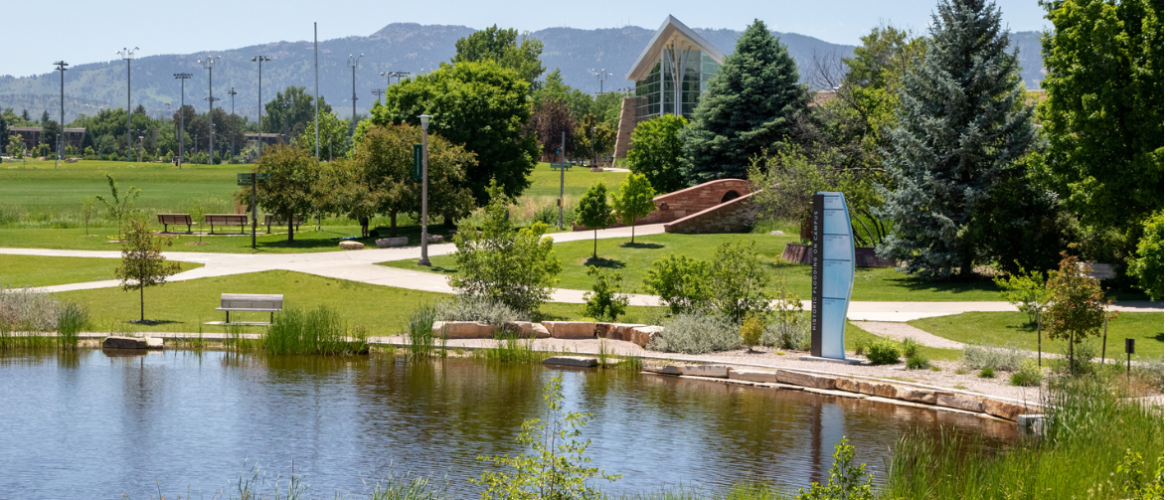
How Stormwater Works at CSU
Stormwater moves through these steps:

What CSU is Doing
- Operates under a state-issued stormwater permit (MS4)
- Defines how stormwater pollution is prevented and monitored
- Includes public review and community involvement
- CSU bioswales, porous pavement, and vegetated areas
- Required on many new construction projects
- Designed to slow, filter, and clean runoff naturally
Resources
- Routine inspections and cleaning
- Rapid spill response
- Ongoing tracking of stormwater systems campus-wide
Behind the Scenes: How CSU Manages Stormwater
- CSU maintains 77+ stormwater control measures across campus
- More than 50 porous paving bicycle parking areas
- Regular inspections and reporting to state regulators
- Stormwater Strategy Team meetings
- Annual reporting and standard operating procedures
For Contractors & Construction Projects
Construction activities can impact stormwater and groundwater. CSU requires planning and coordination to protect waterways during construction and redevelopment.
- Stormwater Management Plan (SWMP): required for applicable projects
- Fire suppression system discharges: generally low risk when no chemicals are added and erosion is prevented
- Groundwater dewatering: may require permits, treatment, or coordination depending on discharge location and water quality
- Contractor coordination: coordinate applicable discharges with CSU Facilities Management
Regulatory Topics
Summary: Fire suppression system discharges are generally low risk, but best practices must be followed to protect storm drains and waterways.
Discharges from fire suppression systems (such as testing or maintenance releases) may occur without a permit when classified as “low risk.” Even when low risk, appropriate best practices must be followed to minimize erosion, sediment transport, and impacts to storm drains.
CSU tracks and manages fire suppression discharges to align with state guidance and campus stormwater requirements.
Learn more:
Fire System Discharges Example at CSU
Summary: Groundwater pumped during construction may require controls or coordination before it can be discharged.
Dewatering during construction can introduce sediment or other pollutants if not properly managed. Depending on site conditions, dewatering may require treatment, monitoring, or permitting before discharge.
CSU requires contractors to evaluate dewatering activities and coordinate with Facilities Management to ensure stormwater compliance and erosion control.
Learn more:
Contractor Stormwater Resources
Summary: Potable water is usually considered low risk, but process water and highly chlorinated water require careful management.
Discharges of process wastewater or contaminated water are not allowed to enter storm drains. In some cases, a specific discharge permit may be required, including monitoring, reporting, and treatment to meet discharge limits.
Potable water discharges are generally considered “low risk,” though potable water contains chlorine that can dissipate quickly or be treated. This is not necessarily the case for superchlorinated water used to disinfect new water mains and fire lines.
CSU typically requires contractors within CSU’s MS4 boundary to collect and dispose of superchlorinated water. Contractors must coordinate superchlorinated water discharges with CSU Facilities Management Utilities before superchlorination.
Learn more:
CDPHE Discharge of Potable Water Guidance
What You Can Do to Prevent Stormwater Pollution
Everyday actions on campus and at home play a direct role in protecting CSU’s rivers and creeks.
- 🚗 Wash vehicles responsibly: Use commercial car washes or wash on unpaved surfaces.
- 🌿 Choose safer products: Select non-toxic, biodegradable cleaners.
- 🐾 Pick up pet waste: Keep bacteria and nutrients out of waterways.
- 🛠️ Fix vehicle leaks: Address oil and fluid leaks promptly.
- 🧪 Dispose of chemicals properly: Never dump chemicals into storm drains.
- ❄️ Use de-icing products sparingly: Too much can harm streams and aquatic life.
Anything left on the ground can end up in our rivers and creeks.
Small actions make a big difference for CSU and our community.
Have questions or concerns about stormwater on campus?
We welcome your input and participation.